
Some of the most stimulating studies for me have been in philosophy and logic. Thinking philosophically is something everyone does, whether consciously or unconsciously, keenly or carelessly. Becoming a philosopher-for-others is a different matter.
Celebrities, famous because of their acting or entertaining skills, or even athletic feats, often think that they have become qualified as philosophers. Almost every issue of COSTCO magazine contains a feature or interview of an accomplished lime-lighter who suddenly is ready to explain how to live life. You can find better philosophers than most of these.
The true role of the philosopher is to confront us with the kinds of questions that force us to think outside our comfort zone. Philosophers usually go on to develop philosophies, but their forte, really, is posing life-probing and reality-probing questions.
Teachers are another matter. Their qualifications should be that they know a whole lot about something that we know far too little about. Teachers are there to fill in the blanks out of their expertise. You likely had one teacher who was no more than one day ahead of you learning French or calculus. I had one of those. Choose your teachers and your philosophers wisely.
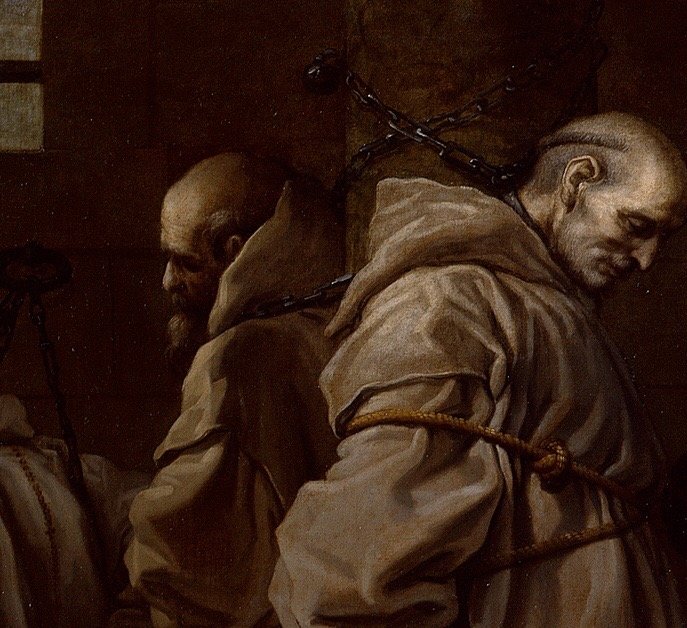
Martyrs share a distinction that we do not covet. These are often the philosophers and the teachers who pay with their lives for upsetting ours. Martyrdom happens when a society defends the status quo to the death…the death of the interloper. The martyr’s role is to amaze us that some souls think some things to be so true and so essential for the rest of us that they are willing to die for their beliefs.
Thank goodness for kings, I think. The role of the king is to step in and straighten everything out, his way. He recruits his minions under the guideline that “it’s my way or the highway.” In recent history we have had two king-like presidents in the good ole USA. Each seized the opportunity to set things right, by fiat, as he saw fit.
Thus, we live, confronted by philosophers and teachers, confused by martyrs and kings.
Among those rare individuals who have excelled in all four roles, Jesus of Nazareth stands out from all the rest.
As a philosopher, he asked a slew of questions that often baffled his hearers and not infrequently left them speechless, affronted, or furious. Bible students have found in the Scriptures 307 questions that Jesus asked in his three years of public life. Jesus himself was asked some 183 questions, of which he answered about three. This is the philosopher at work.
As a teacher, Jesus knew his material well. His core course offerings were Life, Creation, Purpose, and God. He was uniquely qualified to teach all these subjects in that God Almighty engineered creation through him as the pre-earthly Christ. People often give me answers to questions that I had yet to think to ask. Jesus did that. And he did not shy away from giving politically incorrect answers. This is the teacher at work.
As a martyr, Jesus was lifted up above all others. He led the way for a procession of martyrs to follow, and the train is getting longer by the day. In the midst of a torturous death process he prayed, “Father, forgive them, for they know not what they do.” Christian martyrs continue to face their mortal enemies with the same prayer. This is the martyr at work.
As a king, Jesus has yet to fully reveal an authority that will be saturated with justice, a legitimate concern of many today. A cartoon on the office wall of a local attorney depicted a lawyer asking his client, “How much justice can you afford?” Should we laugh, or cry? Neither. We should wait.
In Israel’s earlier days, David was anointed king years before God let his rule begin. Jesus is God’s final anointed-in-advance king. Pure justice for all is coming. Date to be announced only by his sudden re-appearance.
 Wet Ink
Leave a comment